Six Days After Midterm Loss, Trump Questions Legitimacy of National Election Results
The president reversed his initial acceptance of Democratic victories, citing unexplained voting machine errors and early voting dumps.
By Alessia Desai ·

The United States is currently facing a new wave of electoral dispute just one week after voters delivered a decisive victory to the Democratic Party. President Donald Trump challenged the integrity of the recent midterm elections on Monday, abandoning his previous stance of acceptance.
The president posted a series of messages on Truth Social questioning whether the election was honest. He argued that early voting totals were so large that a Republican win became impossible, regardless of turnout. Trump claimed that voting machines, rather than individual voters, determined the outcome.
These remarks marked a sharp departure from his comments on election night. At that time, he told The New York Times that he was willing to accept the results. He also praised the Democrats for their successful campaign on Fox News, stating that he expected to work with the new congressional leadership.
The shift in tone followed a specific demand made on Thursday regarding Alaska's Senate race. Trump called for votes cast for minor candidates to be transferred to Republican incumbent Dan Sullivan. He described this as the only fair solution, despite state laws already providing for ranked-choice voting.
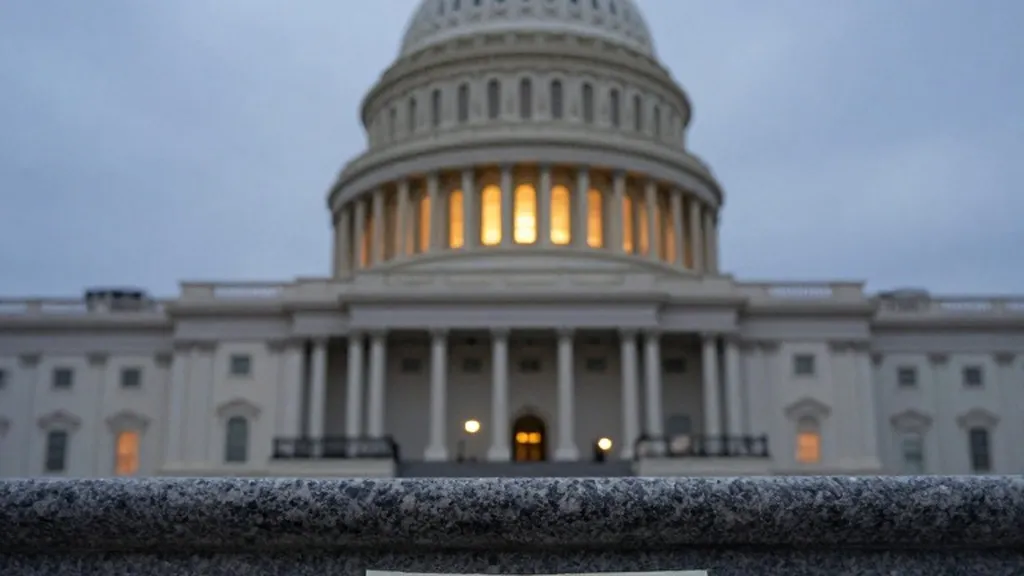
Senate Democratic leader Chuck Schumer reacted to the new accusations with strong criticism. He called the president's return to election denialism inevitable. Schumer noted that Trump now faces the largest Democratic congressional majorities in decades, attributing this to two years of presidential failure.
Election officials across the country reported largely trouble-free voting processes in the days following the vote. Pre-election polls had predicted Democratic gains, though they underestimated the scale of the victory. Trump has not identified specific machines or provided evidence of improper ballot counting.
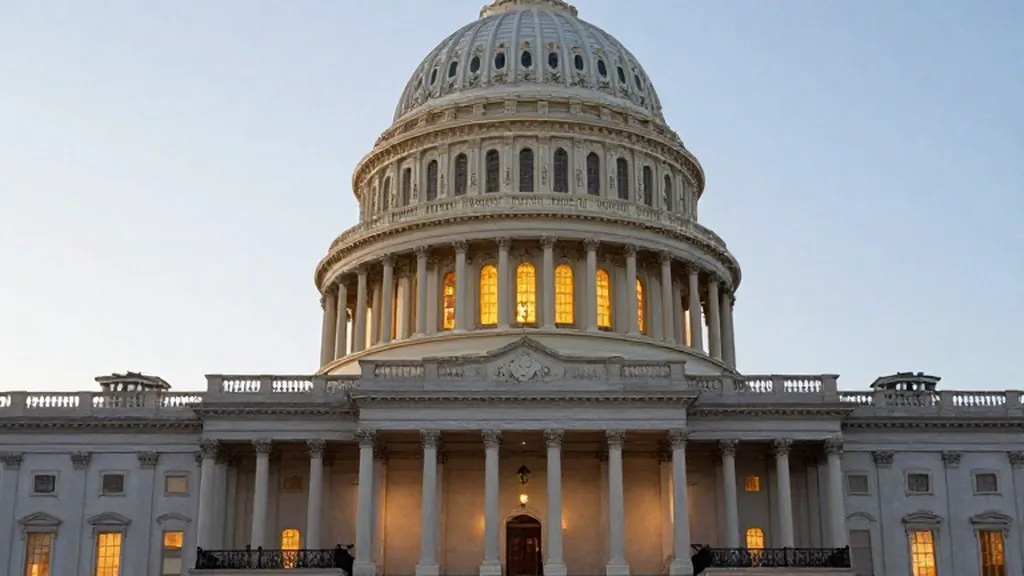
The new Congress takes office in January, granting Democrats extensive powers to investigate the administration and block legislative proposals. Trump retains his presidential veto and executive authorities. His party's defeat has been linked to the unpopular war with Iran and soaring fuel prices.