Brazilian Election Hovers in Balance as Final Rallies Draw Massive Crowds
With the runoff vote set for Sunday, both leaders courted supporters on Saturday in a contest that surveys show is nearly even.
By Natalia Campos ·
Just 47 percent of the first round vote is the figure that defines the current stalemate in Brazil's presidential race. Flavio Bolsonaro secured that share of the ballot in the initial contest, narrowly edging out Luiz Inacio Lula da Silva, who captured 45 percent. As the campaign entered its final hours on Saturday, the two rivals sought to energize their bases before voters head to the polls on Sunday in a runoff that promises to be extremely tight.
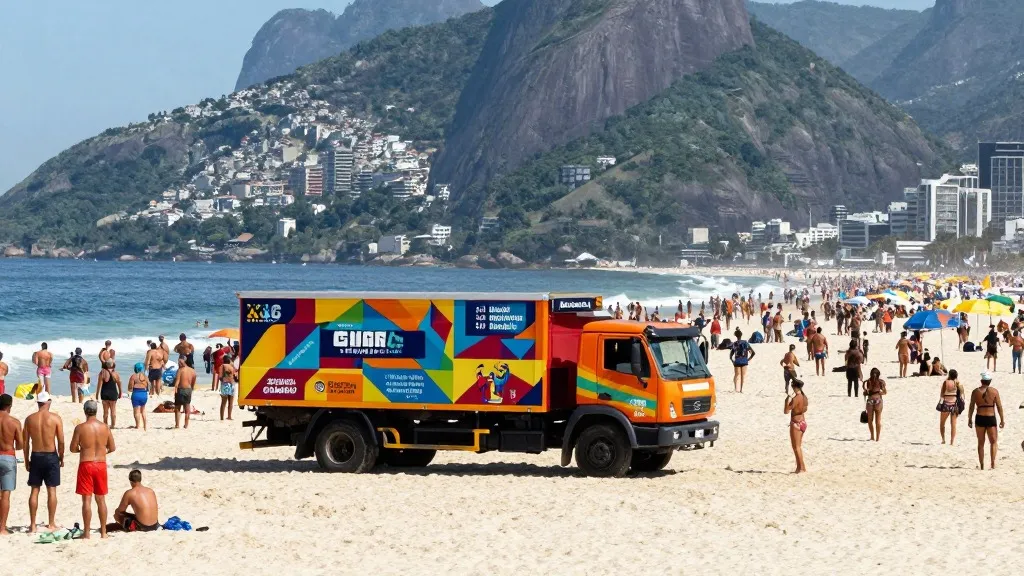
In Rio de Janeiro, Lula took to the stage at Copacabana Beach, wearing a red hat and waving a national flag from a campaign truck. Hundreds of supporters gathered in the area to hear the 80-year-old incumbent speak. He focused his remarks on his opponent's relationship with US President Donald Trump, asking the public to pick between a leader who honors the Brazilian flag or one who honors the American flag. Lula is seeking a fourth, non-consecutive term in office.
The stakes of the election extend beyond domestic politics. The outcome will determine whether Brazil maintains its current left-wing leadership or joins a broader regional trend shifting toward the right. Recent polling indicates the race remains virtually tied. A survey released by CNT/MDA on Saturday showed Bolsonaro at 46.3 percent and Lula at 45 percent. This margin is consistent with data from the previous week, which had Bolsonaro leading by a similar slim difference. The margin of error for these polls is 2.2 percentage points.
In the southeastern state of Minas Gerais, Bolsonaro supporters held a counter-gathering to match the energy in Rio. Hundreds of motorcyclists dressed in yellow national football shirts participated in the event. Ebert Dorigo, one of the attendees, spoke to the news agency AFP about the need for a political shift. He argued that Lula's Workers' Party has fostered a reliance on government welfare, suggesting that the country requires a new direction to move forward.
Dorigo emphasized the values he believes are central to his support, stating that nation and family are paramount. He contended that Brazil is currently divided because welfare-based policies have prevented some citizens from understanding that improvement comes through hard work. His comments reflect the economic and social tensions that have defined this campaign.
The election has been marked by sharp disagreements over crime, economic policy, and the nation's future trajectory. Bolsonaro has pledged to tackle crime by adding hundreds of thousands of new prison places. He also promised to reduce government spending. His father, former President Jair Bolsonaro, who served from 2019 to 2022, is currently serving a 27-year prison sentence. He was convicted of attempting a coup after losing the 2022 election to Lula.
The final debate, held on Friday, featured a calmer tone than previous exchanges, though both candidates continued to trade accusations regarding Brazil's economic challenges and their respective records. For many voters, the choice remains difficult. Gabriela Ribeiro Viana, an event organizer, told AFP that she feels stuck choosing between the worst option and the lesser evil, noting that any other candidate would have been a better choice.
As the campaigning period ends, all eyes are on the runoff election scheduled for Sunday. The result will determine the next leader of South America's largest economy and signal the direction of its political landscape in the years to come.
Source: Al Jazeera