Record spending reshapes 2026 election as parties target key districts
Campaign committees are pouring record sums into battlegrounds, with Republicans outspending Democrats at the committee level while Democrats lead in candidate fundraising.
By Meera Fletcher ·

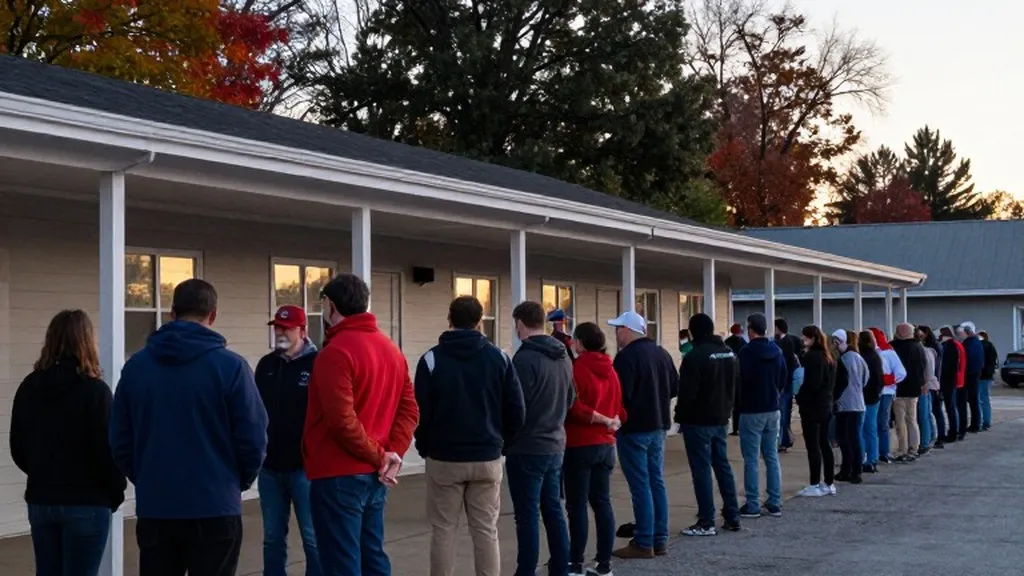
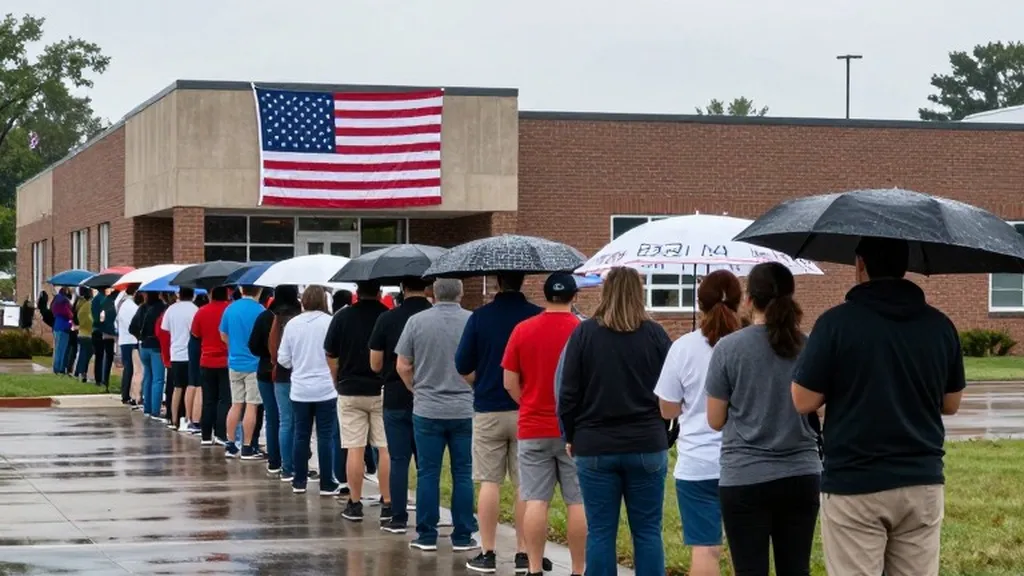
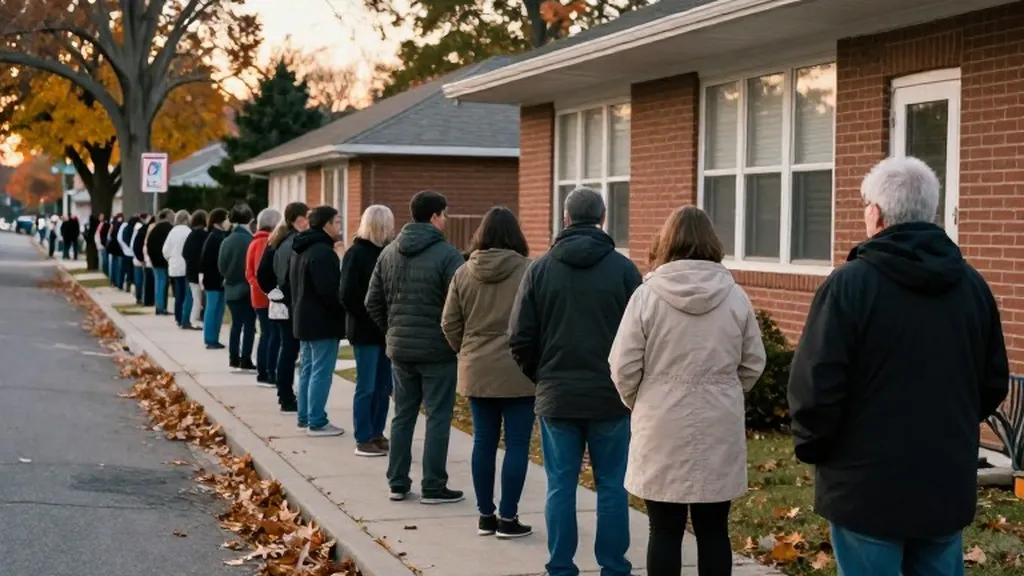
Voters across the United States are heading to the polls on Tuesday, November 3, to decide the balance of power in Congress halfway through President Donald Trump's second term. The stakes are high as the results will determine which party controls the House and Senate for the final two years of the administration. With all 435 House seats and 35 Senate seats on the ballot, the financial resources deployed by both parties have reached historic levels. This election is likely to be the most expensive in history, driven by intense competition in a growing number of closely watched races.
The flow of money into these races reveals a complex picture of partisan strategy. According to an analysis by the Associated Press, Republican committees have outraised and outspent their Democratic counterparts. This edge has been bolstered by significant contributions from Trump-affiliated groups and prominent figures such as Elon Musk. However, the picture shifts when looking at individual candidates. At the candidate level, Democrats have outraised their Republican opponents, indicating a different dynamic in how resources are allocated between the party machinery and the people running for office.
A major focus of the spending has been on the geographic alignment of the 2024 presidential results. The AP analysis of AdImpact data shows that 88.1 percent of Republican general election television ad spending went to states and districts that President Trump won in 2024. This targeted approach reflects a strategy to solidify the party's base in areas where they have a strong historical advantage. Within those districts, Republicans spent more than $850 million in states where Trump won by a margin of ten points or more. This concentration of funds underscores the importance of turnout in areas where the party believes it has the highest probability of success.
Democrats, meanwhile, are facing the challenge of overcoming a significant financial disadvantage at the committee level. They are relying on their candidate-level fundraising edge to compete in key battlegrounds. The party is also navigating the impact of new congressional maps drawn after mid-decade redistricting in states such as California, Florida, Missouri, North Carolina, Tennessee, Texas, and Ohio. These new districts may not vote as originally predicted, adding a layer of uncertainty to the financial strategies employed by both parties. The cost of living and health care remain central issues for Democratic voters, who are looking for change after a period of high prices and an unpopular war with Iran.
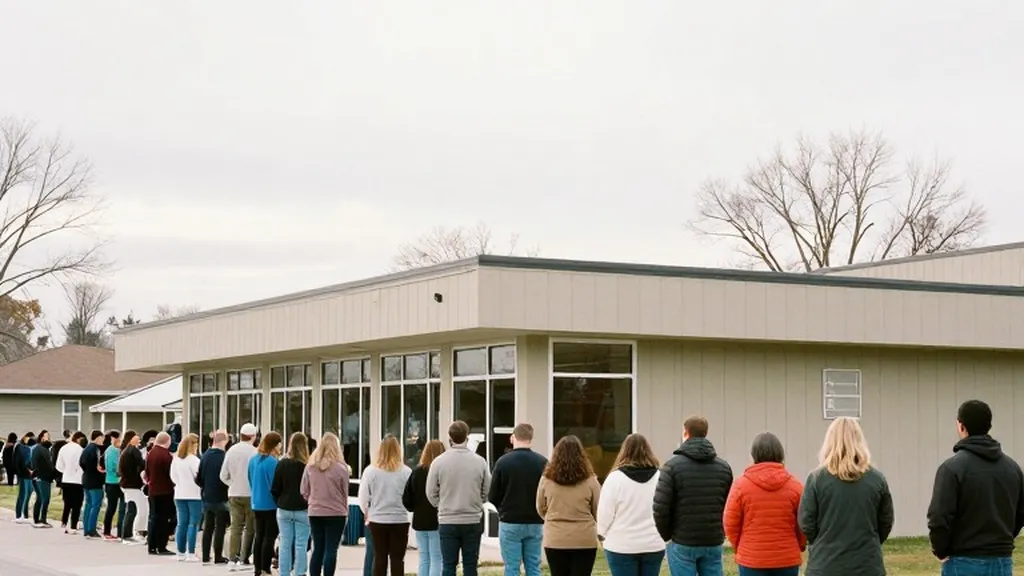
The mood on the ground reflects the financial intensity of the campaign. The Associated Press describes the election as a referendum on the current administration, with many voters struggling with economic pressures. Polling from AP-NORC indicates that 35 percent of U.S. adults approve of President Trump's job performance, while about seven in ten say the country is heading in the wrong direction. These sentiments are driving voter engagement, with more than 57 million people having already cast their ballots as of Monday. This early voting surge surpasses the totals from four years ago in many closely watched states, suggesting that financial investments in outreach and advertising are having a measurable impact on participation.
Republicans are bracing for the possibility of losing the House while fighting to maintain their majority in the Senate. The party's strategy relies heavily on high turnout, as emphasized by RNC Chairman Joe Gruters. He stated that everything depends on turning out their voters, a goal that requires substantial financial resources for get-out-the-vote efforts. Democrats, described as cautiously optimistic, are focusing on their ability to win key districts where the financial gap might be narrower. The race in the Senate includes 13 battlegrounds, with states like Maine, Iowa, and Kansas emerging as critical to the outcome. The financial edge of Republican committees is being put to the test in these competitive environments.
The role of major donors and affiliated groups has been particularly prominent in this cycle. Trump-affiliated organizations have played a significant role in boosting Republican committee fundraising. This influx of resources has allowed Republican committees to outspend their Democratic counterparts, giving them a broader reach in advertising and digital campaigning. However, the effectiveness of this spending is still being evaluated as polls close. The concentration of funds in districts Trump won in 2024 suggests a defensive strategy, aiming to protect seats that are already leaning Republican. This approach contrasts with the Democratic focus on specific candidate-level races where they can leverage their fundraising strength.
Voters are expressing their concerns through their ballots and in their statements to reporters. In Palm Beach Gardens, Florida, a voter named Mark Barker said he has been following President Trump closely and believes he is doing a good job. In contrast, James Moore, a librarian in Raleigh, North Carolina, highlighted the financial pressures facing many Americans. He noted that he is paying more for taxes, health care, and everyday goods. These personal accounts reflect the broader economic issues that are driving voter behavior and shaping the financial strategies of the campaigns. The cost of living remains a top concern for Democratic voters, who are looking for a shift in congressional control to address these issues.
Financial resources are also being directed toward addressing administrative challenges in the election. The U.S. Postal Service has added hours, staff, and special lines to ensure that mail ballots are counted on time. This logistical effort is crucial given the high volume of early and mail-in voting. Additionally, legal battles over voting procedures have added to the complexity of the election. A federal judge temporarily barred the Trump administration from carrying out a plan to prevent noncitizen voting, a move that critics argue risks disenfranchising eligible voters. These administrative and legal costs add to the overall financial burden of the election, further contributing to its historic expense.