House Map: 46 Toss-UP Districts Decide 218-214 Balance
With only a three-seat margin separating control of the House, voters in 46 battleground districts and seven states with new maps will determine the chamber's makeup.
By Tomas Rahman ·
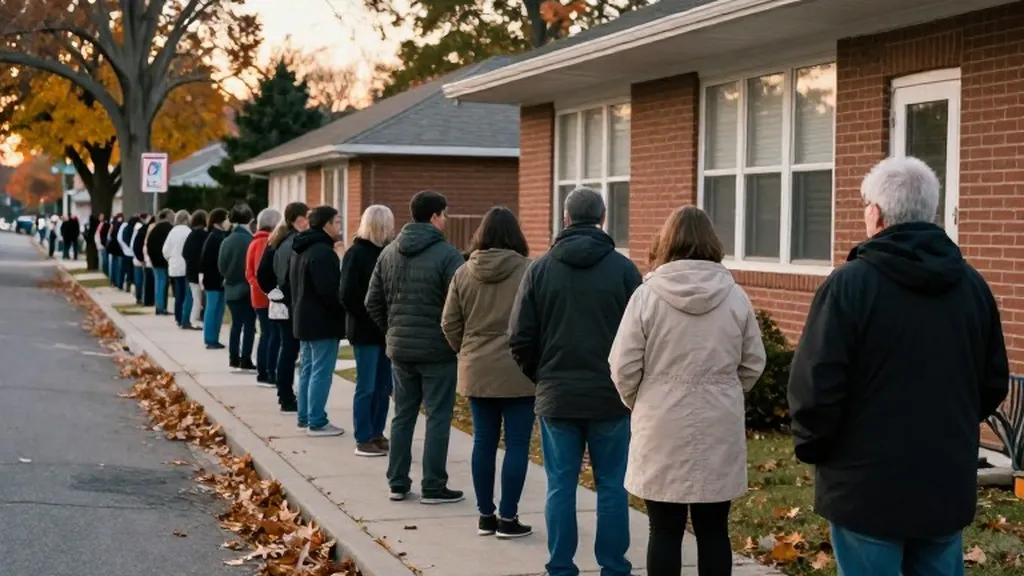
All 435 seats in the U.S. House of Representatives are up for election on Tuesday, November 3, 2026. The current balance of power is razor thin, with Republicans holding 218 seats and Democrats holding 214. One independent holds the final seat, though vacancies exist in the current count. For Democrats to claim a majority, they must achieve a net gain of three districts. Republicans, conversely, can afford to lose no more than two seats to maintain their control. This narrow margin makes the outcome of every single race critical to the final tally.
According to Ballotpedia, there are 46 battleground districts where the race is competitive. Of these, 25 are currently held by Democrats and 21 by Republicans. The composition of these districts is influenced by the results of the 2024 presidential election. Twenty-one districts currently held by Democrats voted for Donald Trump in 2024, while nine districts held by Republicans voted for Kamala Harris. This overlap suggests that partisan loyalty is shifting in these specific areas, making them prime targets for both parties in their final push for votes.
The landscape of these races has been significantly altered by redistricting. Six states are using new congressional maps for the first time in this cycle: California, Florida, Missouri, North Carolina, Tennessee, and Texas. Ohio is also implementing a new map. These changes were the result of mid-decade redistricting efforts. Republicans hoped that these new boundaries would help them beat the historical midterm trend of losing seats. However, analysts note that new districts may not vote as originally drawn, adding an element of uncertainty to the final count.
Incumbency is playing a role in these calculations. A total of 60 House incumbents have chosen not to run again. This group includes 23 Democrats and 37 Republicans. Their departure opens seats that are often more competitive than those held by long-serving members. The Associated Press notes that the election is being viewed as a referendum on President Trump's second term. Voters are cited as struggling with high prices and anger over an unpopular war with Iran. These economic and foreign policy issues are central to the messaging in these 46 key districts.
Money is a major factor in these campaigns. The 2026 elections are expected to be the most expensive in history. Republican committees have outraised and outspent Democratic committees at the national level. This advantage is supported by Trump-affiliated groups and significant contributions from Elon Musk. However, at the individual candidate level, Democrats have outraised their Republican opponents. An AP analysis of AdImpact data shows that 88.1% of Republican general election TV ad spending went to states and districts that Trump won in 2024. This includes more than $850 million in spending in areas where his margin was 10 points or higher.
The mood among voters is shaped by economic anxiety. James Moore, a 57-year-old librarian in Raleigh, North Carolina, told the Associated Press that he is paying more for taxes, healthcare, and everything else. His sentiments align with broader polling data from AP-NORC. This survey found that 35% of U.S. adults approve of Trump's job performance. Only 25% approve of his handling of the economy. About 7 in 10 adults say the country is heading in the wrong direction. These statistics suggest a baseline of dissatisfaction that Democrats are hoping to convert into votes in the House races.
Democrats are cautiously optimistic about their chances. Rep. Suzan DelBene, the chair of the Democratic Congressional Campaign Committee, stated that the American people are angry and want change. She emphasized the desire for a shift in leadership. On the other side, RNC Chairman Joe Gruters said that everything depends on turnout. He noted that if Republicans turn out their voters, they will win. This focus on turnout is critical because the margin of victory is so small. A difference of just a few thousand votes in a handful of districts could determine which party controls the House.
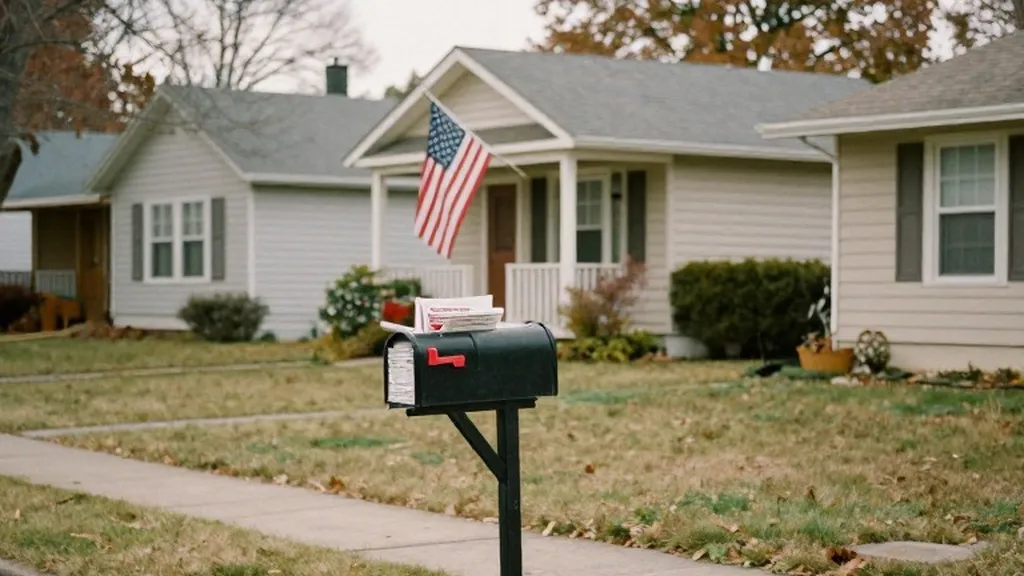
The new maps in states like Florida and California are particularly scrutinized. In Florida, the new districts are part of a broader strategy to lock in Republican advantages. However, the state also has a competitive Senate race and a governor's race, which could influence House dynamics. In California, the map was drawn with Democratic control in mind, but the state is largely voting by mail. This method of voting can sometimes depress turnout in certain demographics. The Postal Service has added hours and staff to ensure that mail ballots are counted on time, addressing concerns about delays.
If Democrats win the House, investigations and possible impeachment proceedings become likely. House Democratic Leader Hakeem Jeffries would be the first Black speaker. He has outlined a 100-day agenda focused on the cost of living and oversight of the administration. A strong Democratic performance would also boost potential 2028 candidates like Gavin Newsom, JB Pritzker, and Pete Buttigieg. It could also complicate the path of Vice President JD Vance. Conversely, a Republican hold would solidify the administration's control over the legislative process for the final two years of the term.
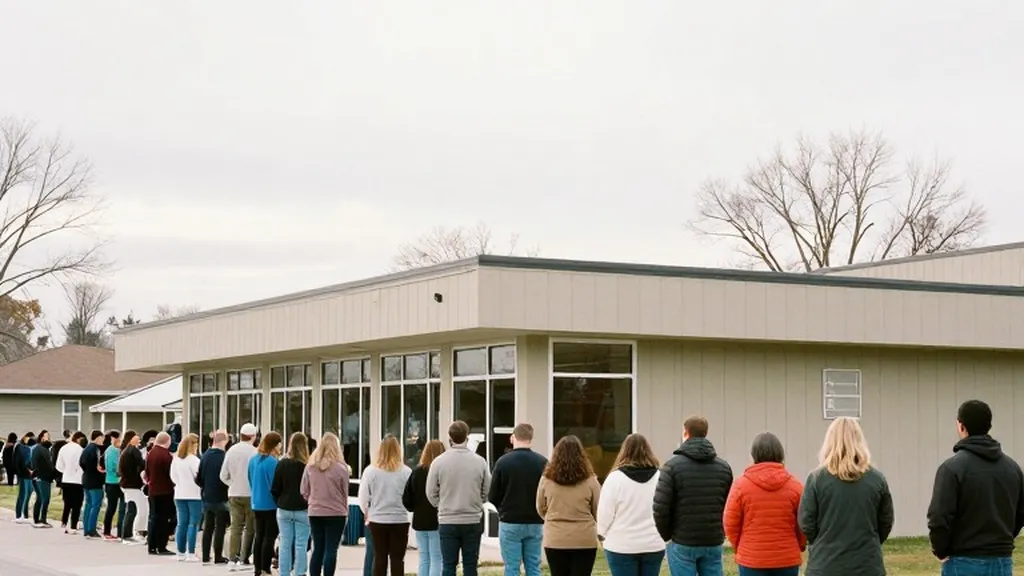
Voters are heading to the polls with a clear sense of the stakes. The three-seat margin means that the final result will likely be decided by a small number of districts. The 46 battlegrounds are where the most intense campaigning has taken place. The new maps in seven states add a layer of complexity to these races. As polls close across the country, the focus will be on how voters in these specific areas respond to the issues of cost of living, healthcare, and the war in Iran. The final count will reveal whether the three-seat advantage shifts to the Democrats or remains with the Republicans.