Trump's $5,000 Dividend: A costly promise now facing a Democratic Congress
With Democrats controlling both chambers of Congress, the path to funding the president's Dallas pledge has become steeper, raising questions about the $1.2 trillion cost.
By Meera Fletcher ·
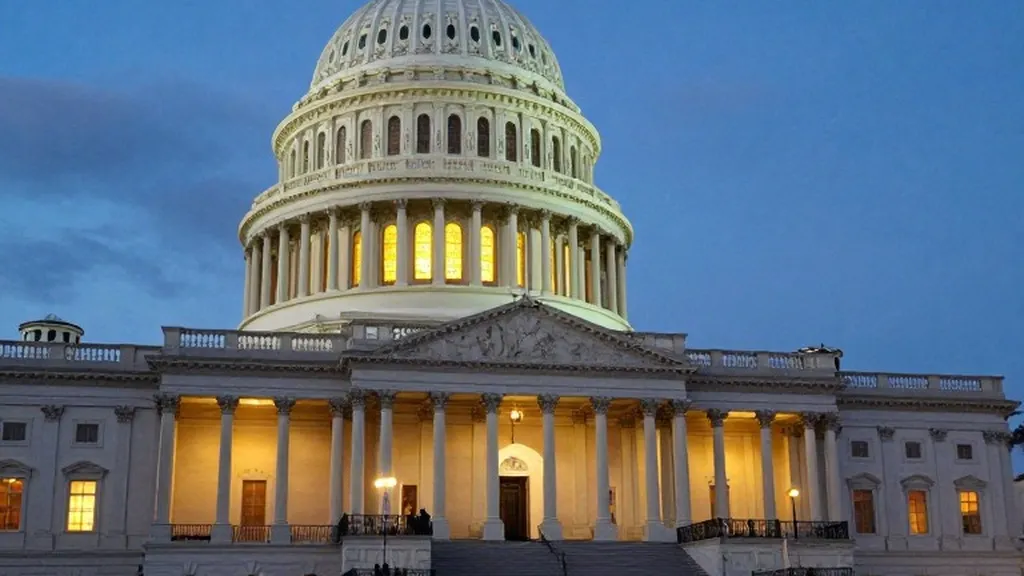
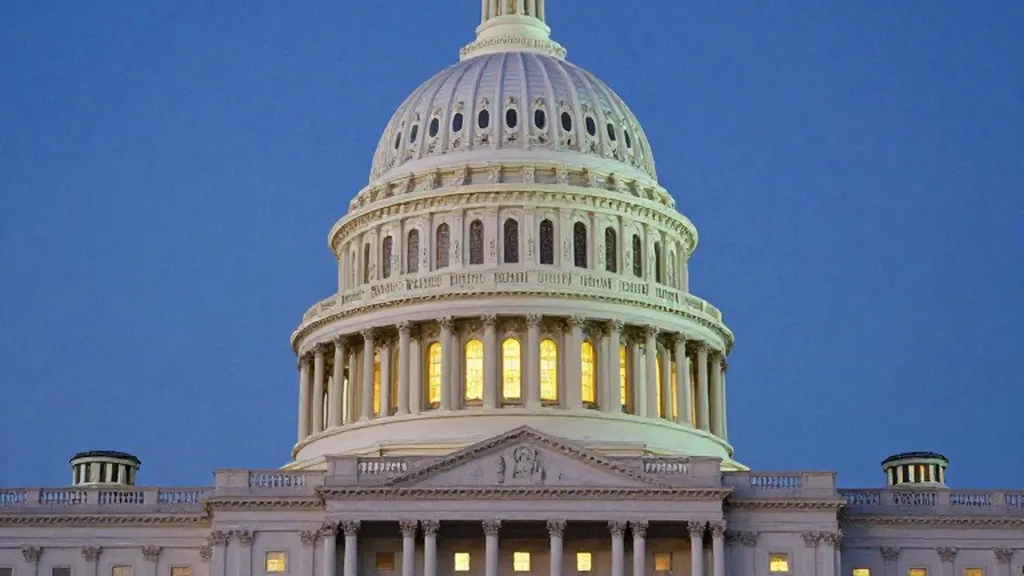
President Donald Trump's pledge to send $5,000 to every American adult has moved from a campaign centerpiece to a legislative challenge. The proposal, announced at the Republican Midterm Convention in Dallas, was explicitly conditioned on Republicans retaining control of both the House and Senate. Now that Democrats have won majorities in both chambers, the promise faces its first major test against a Congress that did not elect the administration.
During his speech in Dallas, Trump told the crowd that if Republicans won, "you win with us and you get $5,000." He branded the payment the "Trump dividend." The president argued the move was justified by the nation's economic success and compared the payout to a company distributing cash to shareholders. He also cited the administration's decision to give military members $1,776 checks in December as a precedent for such direct payments.
The scale of the commitment is significant. The U.S. Census Bureau estimates there are approximately 245 million adult citizens in the United States. Multiplying that number by $5,000 results in a total cost of roughly $1.2 trillion. This figure would place a substantial strain on the federal budget, which already faces a deficit of nearly $1.8 trillion. Critics note that the payment could exacerbate inflation concerns, a key issue for voters who expressed dissatisfaction with the cost of living in recent polls.
Speaker Mike Johnson, who led the House during the campaign, acknowledged the legal requirements for the plan. He stated that congressional approval is necessary for the payments to go forward. Johnson pledged to work toward the goal, describing it as a creative idea from the president. However, with Democrats now holding the gavel in the House and the majority in the Senate, the path to that approval has shifted significantly from the one Johnson described when Republicans held the majority.
Bipartisan criticism emerged even before the election results were finalized. Texas Congressman Chip Roy questioned the economic logic of the plan, writing that dependency is evil. Other fiscal experts expressed doubt about the feasibility of the payout. Kenneth Rogoff, a former chief economist at the International Monetary Fund, warned that the spending could increase the odds of a debt crisis over the next five years. The lack of a formal funding plan has left many voters and analysts wondering how the administration intends to execute the check.
The administration pointed to tariff revenues as a potential source of funding. Vice President JD Vance suggested that some of the money would come from these tariffs. However, the Tax Foundation estimated that the new tariffs would generate about $208 billion in revenue in 2026. Erica York, a senior economist at the Tax Foundation, noted that the cost of the $5,000 checks would consume almost all the revenue projected from the new tariffs over a decade. This gap between projected income and required expenditure highlights the financial hurdles the proposal faces.
Democrats in Congress are now in a position to scrutinize the funding mechanism. Representative Richard Neal, who is expected to lead the House Ways and Means Committee, has indicated a commitment to reversing what he calls unjustified tariffs. This stance adds another layer of complexity, as the tariffs are a primary source for the dividend's proposed funding. The new congressional leadership is likely to seek detailed accounts of how the administration plans to balance the books while fulfilling this promise.
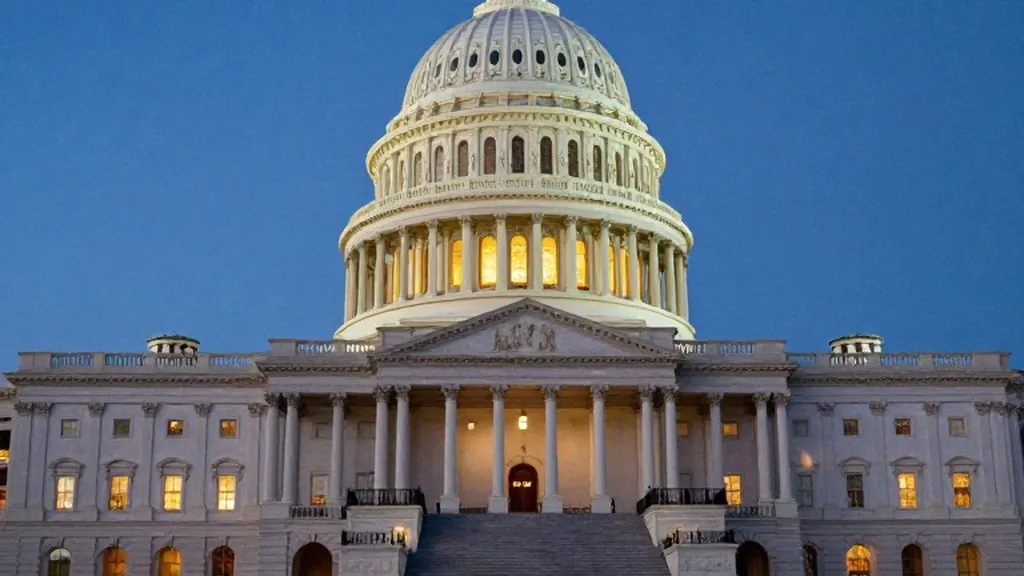
The legal status of the promise is generally considered sound, but the political dynamics have changed. Election law experts, such as Rick Hasen of UCLA, noted that campaign promises are constitutionally protected under the First Amendment. However, the implementation requires a bill to pass both houses and be signed by the president. With Democrats holding a 250-157 majority in the House and a 54-44 majority in the Senate, the administration must now negotiate with a body that has already signaled a desire for increased oversight and checks on executive power.
The promise also follows a pattern of unfulfilled financial pledges. Trump previously promised $2,000 tariff dividend checks in November 2025, but those checks never went out. He also supported a $5,000 DOGE dividend proposed by Elon Musk, which also failed to materialize. These precedents have led some analysts to label the new Trump dividend as unlikely to happen without significant legislative compromise. The White House has defended the plan by pointing to the administration's economic record, but the opposition is focused on the deficit.
As the new Congress prepares to convene in January, the $5,000 dividend will likely be one of the first major fiscal debates. The administration has stated that the payments are a reward for voters who supported the party's agenda. Democrats, meanwhile, view the promise as a high-stakes gamble that could worsen the national debt. The final outcome will depend on whether the two parties can find consensus on funding the payout or if the promise remains a symbolic victory for the administration's economic narrative.
The election results have set the stage for a new dynamic in Washington. The Democrats' control of Congress provides them with the tools to demand specific legislation for the dividend. The president has vowed that the $5,000 is going to happen 100%. The coming months will test whether that confidence holds up against the reality of a divided budget process and a Congress determined to manage the nation's finances with greater scrutiny.