Democrats Take Control of Both Chambers of Congress After Sweeping Midterm Victory
Voters rejected the president's party in a landslide, giving Democrats majorities in the House and Senate to tackle costs and oversee the administration.
By Meera Fletcher ·
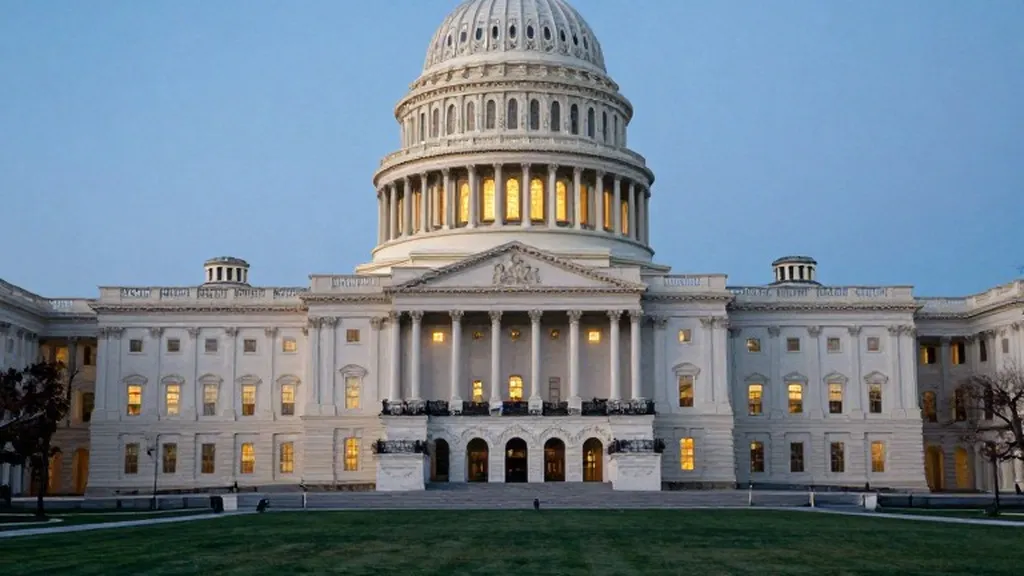
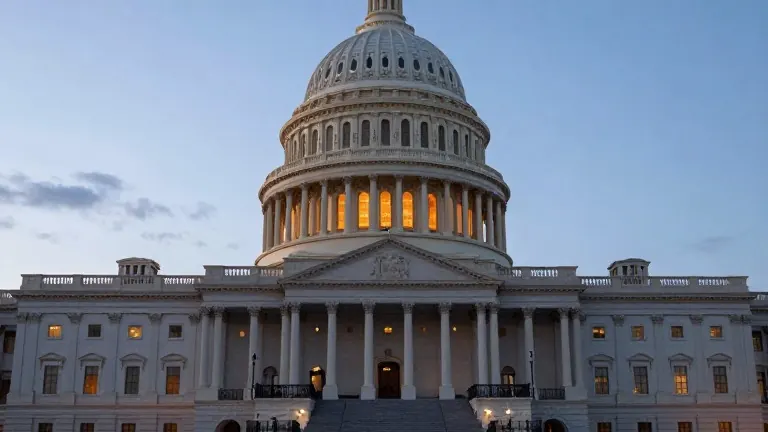
Voters delivered a decisive rebuke to President Donald Trump and the Republican Party on Tuesday, handing Democrats control of both the U.S. House of Representatives and the U.S. Senate in a sweeping midterm election. According to Ballotpedia results, Democrats won 227 of the 435 House seats and 20 of the 35 Senate seats up for election, securing comfortable majorities in both chambers. This outcome ends two years of unified Republican control and sets the stage for a divided government where Congress will act as a coequal branch capable of challenging the White House's agenda.
The shift in power was driven by widespread voter dissatisfaction with the cost of living, the ongoing war with Iran, and perceptions of government corruption. The Associated Press Voter Poll indicated that about three-quarters of voters felt angry or dissatisfied with the country's current trajectory. Nearly 8 in 10 respondents said inflation had caused financial hardship for their households, making it difficult to afford basic essentials such as gas and groceries. These economic concerns ranked as the most crucial factors for voters, surpassing other issues in importance.
Democrats capitalized on this discontent to win seats in states that were previously considered reliable Republican territory. The party gained control of the Senate through victories in historically red states, including Kansas, South Carolina, and Texas. In Texas, Democrats secured their first statewide victories in over three decades, breaking a long period of Republican dominance in the state. These gains allowed Democrats to hold at least 54 seats in the 100-seat Senate, providing them with the numerical strength to push through legislation and conduct robust oversight of the executive branch.
The House race saw a similar pattern of Democratic expansion. The party gained a net 27 seats from the Republicans, moving from 215 seats to a majority well past the 218 needed to control the chamber. This margin gives House Democratic Leader Hakeem Jeffries significant room to maneuver as he prepares to become the first Black speaker of the House when the new Congress convenes in January. Jeffries promised that the new majority would work hard to deliver on the dramatic change voters demanded, focusing on immediate relief for families struggling with high prices.
Republicans had invested heavily in redistricting efforts to maintain their slim majority, but the plan ultimately failed to deliver the expected results. At the urging of President Trump, Republicans in eight states redrew congressional district boundaries to create safer seats. However, the AP noted that the strategy was systematically dismantled by voters who shifted their support away from the president's party. In states like Texas, Florida, and Alabama, Democrats won reelection in districts that Republicans had reshaped to favor their candidates, defying expectations that the new maps would produce Republican gains.
The war with Iran also played a significant role in the election outcome, with many voters viewing the conflict as a misstep for the administration. Approximately 6 in 10 voters told the AP that the U.S. made the wrong decision in taking military action against Iran. Vice President JD Vance publicly broke from Trump's defense of the war on Wednesday, suggesting that the loss of the Senate was a direct result of the conflict. This internal divide highlighted the strain the war placed on the Republican coalition, particularly as fuel prices soared and impacted consumers across the country.
Democrats are now poised to launch a 100-day agenda focused on lowering the costs of gas, groceries, and other goods. They plan to introduce bills to reverse cuts to healthcare programs and to hold the administration accountable through a robust oversight process. House Oversight Committee members have warned that investigations are imminent, signaling a shift toward aggressive scrutiny of the president's final two years in office. The new majority also includes a class of newcomers, including democratic socialists, who will bring new perspectives to the legislative process.
President Trump responded to the results with a mix of conciliatory tones and warnings about future gridlock. He suggested he could work with Democrats but threatened to use his veto power to strike down their agenda if they moved too quickly. Meanwhile, House Speaker Mike Johnson indicated he would not seek reelection as House Republican leader, marking a potential leadership transition for the minority party. Republicans are now facing a reckoning to determine what went wrong, with many blaming the president's popularity and the impact of the Iran war on voter sentiment.
The election results also had implications for state-level races, with Democrats gaining control of the majority of governorships nationwide for the first time in two decades. Ballotpedia reported that Democrats won 22 of the 36 gubernatorial races, flipping offices in Georgia, Iowa, Ohio, and Texas. This state-level strength will allow Democratic governors to put up a stronger defense against the federal agenda and potentially influence policy implementation in their states. The comprehensive nature of the Democratic victory suggests a lasting shift in the political landscape for the next two years.
Looking ahead, the divided government will test the ability of both parties to cooperate on key issues such as healthcare, energy policy, and economic regulation. Democrats will face pressure to quickly demonstrate that they have solutions for the high prices that drove voters to the polls. With the Senate and House under their control, they have the tools to pass legislation, but they will need to navigate a president who is prepared to use all of his constitutional powers to block their initiatives. The coming months will define whether this new era of Democratic control leads to tangible relief for American voters.