Midterms give Democrats 60% control over Israel policy debates
The election results place key legislative power in the hands of leaders who support Israel but face a growing internal faction demanding stricter measures.
By Meera Fletcher ·
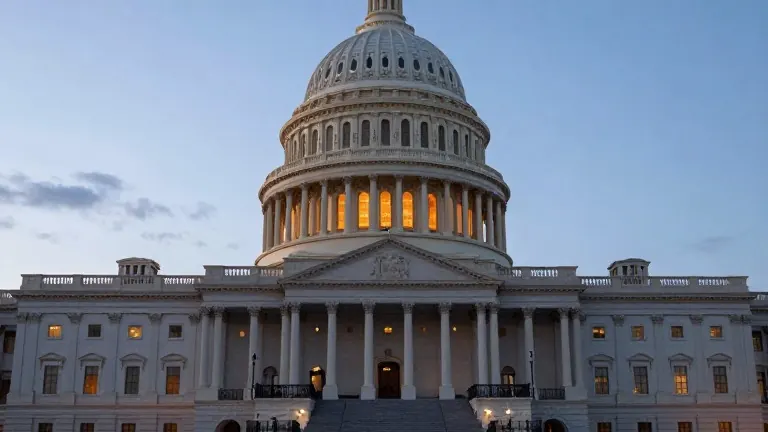
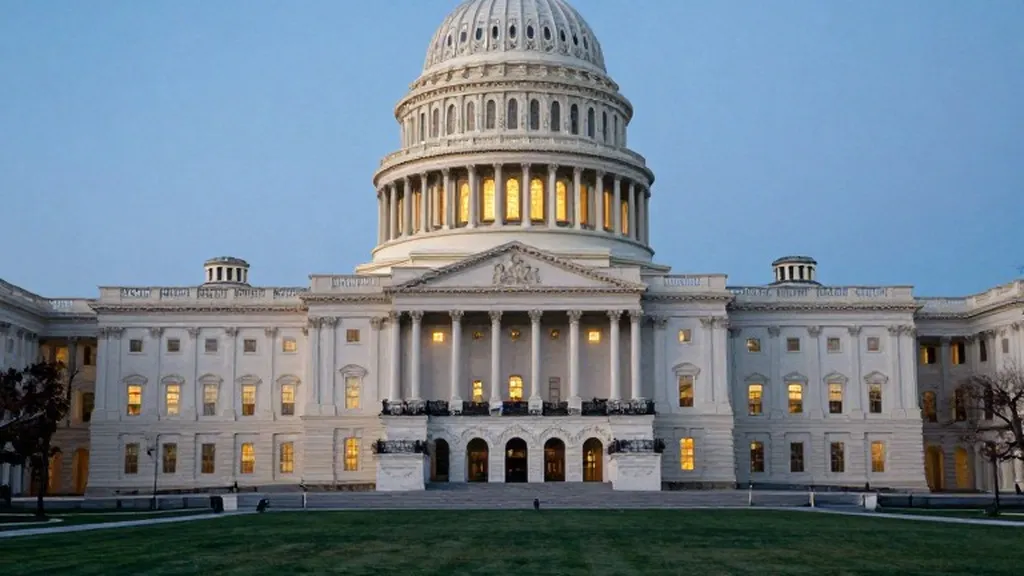
The United States has a new congressional balance of power as of Tuesday, November 3. Democrats won a decisive majority in both chambers, fundamentally altering the legislative environment for US-Israel relations.
Hakeem Jeffries will serve as Speaker of the House, and Chuck Schumer will lead the Senate. Both men represent New York and have long-standing ties to pro-Israel organizations. Historically, both voted to back Israel in major funding disputes. However, they now head a party with a larger group of members pushing for tougher policies.
Analysts suggest these leaders will face pressure to bring bills to the floor that limit military aid. In previous cycles, both blocked such measures. The new majority makes it harder for them to ignore a rising anti-Israel caucus.
Yet, the size of the Democratic win dilutes the immediate power of that critical wing. The party includes many moderates and staunch supporters of Israel. This diversity makes it difficult for critics to argue that the election results prove a party-wide consensus against Israel. The victory belonged to candidates across the political spectrum, not just progressive outliers.
President Donald Trump faces a weakened position in the White House. His previous electoral strength gave Prime Minister Benjamin Netanyahu confidence that the US would back aggressive actions against Iran. With Trump less dominant, that guarantee is no longer certain. Israel now faces a period of uncertainty with a weakened ally in the executive branch and a more assertive legislative branch.
Senator John Fetterman of Pennsylvania finds his influence shifting. As a prominent pro-Israel voice, his support was previously essential for keeping the party united. Now, with a comfortable majority, Democrats feel less pressure to accommodate his stance. Fetterman has said a decisive party turn against Israel would be his only reason to leave the caucus. He faces a challenging reelection path in 2028.
The American Israel Public Affairs Committee, known as AIPAC, struggles to adjust. The group spent hundreds of millions of dollars on campaign fundraising. Despite this, the number of critics in Congress has risen. AIPAC strongly supported recent US and Israeli strikes on Iran. That position appears out of step with the priorities of many incoming lawmakers.
The election also changed the landscape for 2028 presidential hopes. Senator Jon Ossoff won reelection in Georgia with nearly 60 percent of the vote. This result solidifies his status as a leading candidate. Governor Josh Shapiro of Pennsylvania and Governor JB Pritzker of Illinois also won strong victories. Senator Elissa Slotkin of Michigan may have gained progressive support by campaigning for Abdul El-Sayed.
All four of these figures have been critical of the Netanyahu government. None have officially labeled the actions in Gaza as genocide. Their victories signal strength among Jewish candidates running for the presidency in the next cycle.
Source: The Times of Israel
More Politics · World news · Report a business · Got a Story?