Clocks fall back an hour on November 1
Millions of Americans gain an hour of sleep this weekend as the federal government considers permanent daylight saving time legislation before it expires in January.
By Tomas Rahman ·
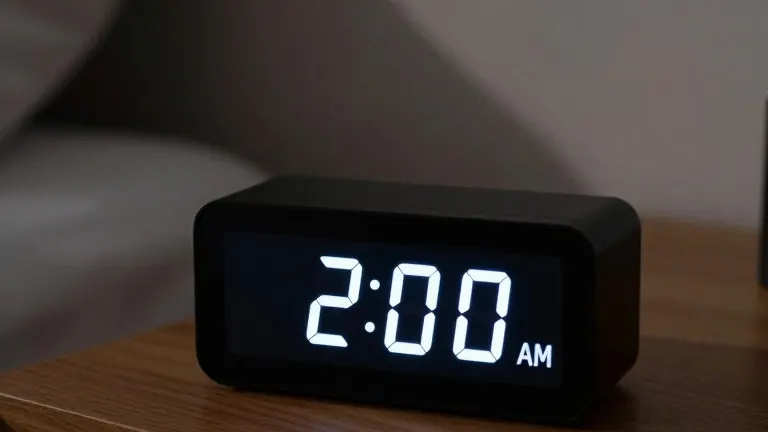
Most of the United States will adjust clocks back one hour at 2 a.m. on Sunday, November 1, ending the 2026 daylight saving period. This biannual shift, known as falling back, grants residents an additional hour of sleep. The change occurs on the first Sunday of November, a schedule in place since 2007.
The time change effectively returns the country to standard time. This adjustment shifts daylight from the morning to the evening during the summer months. In the fall and winter, the switch causes daylight to appear earlier in the morning. According to the National Weather Service, sunrise in Boston on Saturday is 7:16 a.m., while it will be 6:17 a.m. on Sunday.
Congress is currently weighing legislation to make daylight saving time permanent. The Sunshine Protection Act cleared a major hurdle in the House of Representatives in July. The bill would allow states to opt out of the time change entirely. President Trump supports the measure and has publicly urged constituents to contact lawmakers for their support.
Arkansas Senator Tom Cotton, a fellow Republican, voiced opposition to the bill. Cotton noted that previous attempts to implement year-round daylight saving time resulted in late winter sunrises that Americans found difficult. He argued that the current system has returned after past experiments failed to stick.
The Senate has a limited window to act on the bill. The legislation will expire in early January when the new Congress takes office. If the bill fails to pass by then, the process must restart in the new session. Lawmakers must secure approval from both chambers before sending it to the president.
Daylight saving time was first observed in the United States in 1918 during World War I to conserve fuel. Congress later allowed states to decide whether to adopt the practice. The current schedule, which extends daylight saving time into November, was established by a 2005 law.
Several states and territories do not observe the time change. Arizona is the only state that generally ignores the switch, though the Navajo Nation within the state does observe it to align with neighboring states. Puerto Rico, Guam, and other U.S. territories also remain on standard time. Most smartphones will update automatically to reflect the new time overnight.
Source: CBS News